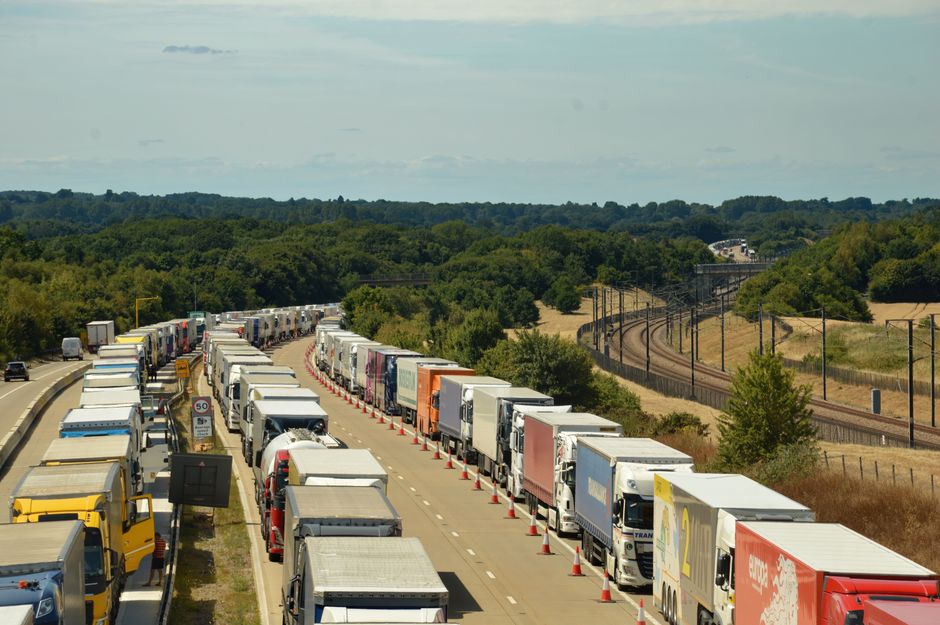
Best times for King Henrys Drive removals to avoid congestion

Planning a move on King Henrys Drive can feel straightforward right up until the van is stuck behind parked cars, a delivery lorry, or the school-run traffic that seems to appear from nowhere. That is exactly why timing matters. Choosing the best times for King Henrys Drive removals to avoid congestion can save time, reduce stress, and make loading far safer and smoother for everyone involved.
In practice, the difference between a calm move and a frustrating one is often just a few hours. A well-timed arrival can mean easier kerbside access, less double-parking pressure, fewer delays, and a better chance of completing the job in one clean run. Below, you will find a clear, practical guide to the best moving windows, what to avoid, and how to plan around the real-world quirks of a busy residential street.
Quick takeaway: early weekday mornings tend to be the safest bet, while school drop-off, late afternoon rush periods, and weekend late mornings are usually the most awkward times to move. Simple enough, but it makes a big difference.
- Why timing matters on King Henrys Drive
- How congestion affects a removal job
- Benefits of choosing the right time
- Who this is most useful for
- Step-by-step timing guidance
- Expert tips for smoother access
- Mistakes to avoid
- Tools and practical resources
- Compliance and best practice
- Timing options compared
- Real-world example
- Moving-day checklist
- Frequently asked questions
Why Best times for King Henrys Drive removals to avoid congestion Matters
King Henrys Drive removals are not just about getting a van from A to B. They are about getting a large vehicle into a residential street, loading furniture without blocking neighbours, and doing it in a way that keeps the day moving. On a street like this, congestion can quickly become the thing that slows everything down. A vehicle that cannot stop close to the property means longer carries, more back-and-forth, and more chance of knocks, fatigue, and frustration.
Think about the typical moving-day pressure points: parked cars lining both sides of the road, residents leaving for work, school traffic, food deliveries, and the occasional visitor who decides to stop right where you need access. None of this is dramatic on its own. Put it together, though, and the road can feel tighter than expected. That is why careful timing is not a nice-to-have. It is part of the move itself.
There is also the neighbour factor. A removal van arriving at the wrong moment can create noise, blocked access, and a bit of tension. Nobody wants to be that house on the street, the one with boxes on the pavement and a van sticking out. A better time slot reduces the chance of awkwardness and makes the move feel more considerate. To be fair, a little consideration goes a long way in residential moves.
If you are arranging support through a flexible service such as man and van services, timing can often be adjusted more easily than with rigid multi-vehicle operations. That flexibility is worth using. It can be the difference between a tidy half-day move and a slow, stop-start crawl.
How Best times for King Henrys Drive removals to avoid congestion Works
The basic idea is simple: you want to move when the street is least busy, when parking pressure is lower, and when your vehicle can safely load without obstruction. But "least busy" changes depending on the day, the school term, local routines, and weather. A wet morning can actually be calmer for traffic but trickier for handling boxes. A sunny Saturday can be pleasant, yet packed with cars and casual visitors. It is never quite one-size-fits-all.
In most residential areas, congestion builds around predictable patterns. Early morning may be quiet before commuters and deliveries start. Mid-morning can be good once the first wave of school traffic has passed. Late afternoon often becomes more difficult as people return home, school ends, and the road fills again. The sweet spot is often the stretch where the neighbourhood is awake but not yet in full motion.
There is another layer too: your own move type. A small flat clearance with a single van is much more forgiving than a full household move requiring repeated loading. If you are booking flat removals or arranging a larger house removal, the best timing becomes even more important because the job may involve multiple trips, trolleys, or extra handling time. In other words, congestion does not just waste time; it compounds effort.
For some moves, particularly when access is tight or the schedule is compressed, a stronger option may be a more compact vehicle. A removal van can sometimes fit more neatly into a residential street than a larger truck, which helps when curbside space is at a premium.
Key Benefits and Practical Advantages
Timing the move well is not about chasing perfection. It is about reducing avoidable friction. Once you do that, a few useful benefits show up quickly.
- Less time wasted waiting for access: if the street is quieter, the van can get closer and loading starts sooner.
- Lower risk of blocking traffic: that matters for neighbours, delivery vehicles, and safety.
- Reduced physical strain: shorter carrying distances mean less fatigue and fewer awkward lifts.
- Better chance of a smooth schedule: especially important if you need keys by a certain time or have cleaners arriving.
- Less pressure on parking decisions: you are less likely to end up circling the street or settling for a poor bay.
- Calmer atmosphere: the whole move feels more controlled when the road is not full of background noise and movement.
There is also a planning advantage. When you avoid congestion, the move is easier to estimate more accurately. That helps with booking labour, organising helpers, and keeping other appointments aligned. If you need a broader moving package, it can also help when coordinating home moves or even more structured business relocations such as commercial moves, where timing affects both operations and staff availability.
And yes, there is a psychological benefit. A calm start tends to create a calmer day. You notice it in the first ten minutes: fewer rushed instructions, less rummaging for keys, no one muttering under their breath at a blocked gate. Small thing, but not really small on moving day.
Who This Is For and When It Makes Sense
This advice is useful for almost anyone moving on or near King Henrys Drive, but some groups feel the impact more than others.
- Families moving house: there is more furniture, more coordination, and often a tighter routine around school and work.
- Flat movers: flats can involve stairwells, shared entrances, and limited parking, so timing matters a lot.
- Students: move-in and move-out days can be busy and unpredictable, especially around term dates. Student removals often benefit from early, off-peak slots.
- Office and business moves: access windows may be narrower, and the pressure to get staff settled is real. Office removals usually need careful time planning.
- Single-item or furniture jobs: even a small collection can be delayed if there is nowhere sensible to stop.
- Last-minute movers: if you are using same day removals, you have even less room to waste time on traffic or parking issues.
It also makes sense if you are moving anything awkward or valuable. A piano, for example, is not something you want shifting in and out of a van while cars queue behind you. Those jobs need breathing room. Same with bulky wardrobes, fragile mirrors, or stacked boxes that need a steady hand.
If you already know access is tight, it may be worth looking at support from removal services that can adapt the vehicle size and timings to the street, rather than trying to force a big job into a busy slot. Honestly, that is often the smarter route.
Step-by-Step Guidance
If you want the practical version, here it is. No fluff, just the sequence that tends to work best.
- Check the likely busy periods first. Think about school times, commute windows, bin day patterns, and local routines. You do not need perfect data; you just need a good read on the street.
- Choose an early start where possible. Morning slots are usually easiest because parking is less pressured and people are not yet fully on the move.
- Allow a buffer around loading. Even a tidy move needs a little extra time for stairs, keys, and the odd delayed item. If you plan too tightly, you will feel it later.
- Match the vehicle to the street. If access is awkward, a smaller vehicle or a flexible service may save time overall. You may not need the biggest option available.
- Pre-pack the essentials. If boxes are ready and labelled, the actual loading happens faster, which shortens the period when the road is occupied.
- Keep the front access clear. Before the van arrives, move loose items, bikes, prams, and anything else that could slow the path.
- Confirm your arrival window. A brief call or message beforehand helps if traffic is building elsewhere and the schedule needs a slight adjustment.
- Plan for a fallback. If the road is unexpectedly busy, have a nearby alternative stopping point or a second-person helper ready to guide the team.
That is the simple version. The more polished version? Give yourself breathing space. A move rarely fails because of one big problem. It is usually the accumulation of little delays. The missing tape. The awkward sofa turn. The neighbour's car still in the way. A bit of slack in the schedule makes all of that easier to absorb.
Expert Tips for Better Results
After enough moving days, a few patterns become obvious. Some are obvious only after you have made the mistake once or twice, of course.
1. Aim for the quietest useful window, not just the earliest possible one. Very early starts can be great for traffic, but if keys are not available or neighbours are still parked in place, you may gain very little. A mid-morning slot after the first school-run wave can actually be ideal.
2. Avoid "nice weather bias." A sunny Saturday feels like a great moving day until you realise everyone else had the same thought. Streets fill up with visitors, shoppers, and parked cars. Looks lovely. Moves badly.
3. Keep the largest items closest to the exit. This cuts the time spent carrying bulky furniture through the property, which matters even more on a congested street where every extra minute adds pressure.
4. Use the parking space before it disappears. If a suitable bay opens up, take it. Waiting for a "better" one can be a costly mistake. This sounds obvious, but people do it all the time.
5. Build in a handover buffer for keys and access. If you are moving into or out of a property with a narrow handover window, congestion can turn a small delay into a bigger problem very quickly.
6. Keep a polite eye on neighbours. A quick word the day before can help if your vehicle may temporarily limit access. It is not about over-explaining. Just enough to avoid surprises.
For larger or more delicate jobs, a reputable team can help you choose the right service format, whether that is a smaller van, a larger moving truck, or help with staging and packing. If you want extra support before the move, packing and boxes services can also speed up the loading phase quite a bit.
Common Mistakes to Avoid
Most congestion issues on moving day come from simple planning gaps, not dramatic surprises. Here are the usual culprits.
- Starting too late in the day: by afternoon, the street may already be busier and parking harder to find.
- Ignoring school-run timing: this one catches people out. Even a short window can become messy if it overlaps with local drop-off or pick-up traffic.
- Assuming a van can stop anywhere: it cannot, not really. Legal and practical stopping space matters.
- Overestimating how quickly loading will happen: stairs, doorways, and awkward furniture all take time.
- Not checking vehicle size in advance: a larger vehicle is not always better if the street is tight.
- Leaving packing until the last minute: that tends to create a domino effect.
- Forgetting to think about neighbours and parked cars: the road is shared space, and access usually becomes everyone's problem if it is blocked badly.
There is also the classic "we will just wing it" approach. Brave. Usually expensive in time. In fairness, many people only realise the problem once they are halfway through carrying a sofa down the stairs while a car sits behind the van like it has all day.
One more thing: do not assume that congestion only matters for the loading phase. It can affect unloading too, especially if you are moving to another narrow street nearby. If your move involves several stages, perhaps temporary holdover or delayed access, storage can be a sensible buffer. It gives you room to move on your terms rather than in a rush.
Tools, Resources and Recommendations
You do not need fancy systems to plan a better moving time. A few practical tools and habits are enough.
- Calendar reminders: set one for the booking day, one for the day before, and one for the morning of the move. Simple, but effective.
- Parking awareness: do a quick walk up and down the street a day or two before. You will spot pinch points, narrow sections, and the best stopping area.
- Room-by-room packing list: this helps you see how much handling time each area of the property will need.
- Labelled boxes: the faster the team can identify where things go, the less time the van sits idle.
- Access notes: note gate codes, flat numbers, buzzer issues, and any peculiar entry steps. These little details save real minutes.
For service selection, it helps to look at the broader move type rather than just the vehicle. A good provider should be able to advise whether you need man with a van, a fuller removals service, or specialist help for heavier items. If you are shifting business equipment, a more coordinated approach through office relocation services may be the right fit.
It is also sensible to check the provider's policies around care and handling. Pages such as health and safety policy and insurance and safety can give you confidence that the move is being handled with proper attention, not just rushed through.
Law, Compliance, Standards, or Best Practice
This topic is not usually about one strict law that says "move at this hour and not that one." It is more about sensible UK moving practice, road safety, and respecting access for other road users. If a removal vehicle needs to stop on a public street, the driver still has to behave responsibly, park safely, and avoid creating unnecessary obstruction. That is just part of operating properly.
On residential streets, the practical standards are straightforward: avoid blocking driveways, keep paths clear where possible, load in a way that does not endanger pedestrians, and manage the job so it is as tidy as the conditions allow. If there is temporary inconvenience, the goal is to keep it short and controlled. That is especially important where parking is tight or visibility is limited.
Where businesses or landlords are involved, the standards become a bit more formal. Access windows, building rules, and shared entrances can all matter. If you are organising a move for a workplace, it helps to plan in line with the building's own requirements and to keep staff informed. For domestic jobs, common courtesy is often the best standard of all.
It is also wise to check the terms of any service arrangement, especially for timing changes, waiting time, or access problems. The same goes for payment handling and privacy of your booking details. If you want to review how a company handles those matters, look at its terms and conditions, payment and security, and privacy policy. That is not overkill. It is just sensible housekeeping.
Options, Methods, or Comparison Table
Different timing choices suit different moves. Here is a simple comparison to help you decide what fits your situation best.
| Timing option | Congestion level | Best for | Watch-outs |
|---|---|---|---|
| Very early weekday morning | Usually low | House moves, heavy items, tight access | Early keys, noise sensitivity, limited preparation time |
| Late morning after school run | Moderate to low | Flat removals, smaller home moves | Parking may still be variable |
| Mid-afternoon | Often rising | Short local moves only | More traffic, less reliable kerb space |
| Weekend late morning | Often busy | Flexible schedules where speed is not critical | Visitor parking, casual traffic, neighbour activity |
| Evening | Can be mixed | Rarely ideal, but sometimes workable | Fatigue, reduced visibility, less margin for delay |
There is no universal winner, but if you asked for one sensible default, it would usually be a weekday morning with a little breathing room either side. That gives you the best balance of access, parking, and flexibility. If your move is more specialised, say a piano, fragile furniture, or a larger household clearance, the timing should be chosen with the equipment and loading method in mind rather than the clock alone.
Case Study or Real-World Example
Here is a realistic example based on a typical residential move, because the theory is useful, but the street-level picture makes it click.
A small family was moving from a first-floor flat on King Henrys Drive to a nearby home only a few miles away. At first, they wanted a Saturday late morning slot because everyone was free. But a quick look at the road showed regular visitor parking, a busy stretch with people coming and going, and little spare kerb space. The move was rebooked for an early weekday morning instead.
That changed things noticeably. The van parked closer, the team could move boxes in fewer trips, and the stairwell stayed clear. There was still the usual moving-day chaos - there always is a little - but it was the manageable kind. A kettle on. Boxes labelled. One child asking where the charger had gone. Normal stuff. The important part is that the street did not add extra stress.
In that move, choosing the better time did not magically make the furniture lighter or the packing more enjoyable. It simply removed friction. And sometimes that is all you need. Less friction, more control. The day feels easier from the start.
Practical Checklist
Use this checklist the day before your move if you want the best chance of avoiding congestion-related delays.
- Confirm the exact arrival time and who will meet the vehicle.
- Check the likely busy periods for your street and choose the calmest slot available.
- Make sure the van size suits the access and parking conditions.
- Move personal cars, bins, bikes, and prams out of the loading path.
- Finish boxing fragile or awkward items early.
- Label rooms clearly so unloading is faster at the destination.
- Keep keys, access codes, and contact numbers to hand.
- Leave a little time buffer for traffic, parking, or stair delays.
- Tell neighbours if the vehicle may briefly occupy a tight space.
- Have water, snacks, and a charger ready. You will thank yourself later, honestly.
Get a free quote today and see how much you can save.
Conclusion
The best times for King Henrys Drive removals to avoid congestion are usually the quieter weekday windows, especially early morning or the calmer stretch after the school-run rush. But the real answer depends on your property, your vehicle, and how much access pressure the street normally carries. A smaller job can sometimes be flexible; a larger one usually cannot.
What matters most is planning with the street in mind, not just the packing list. If you choose a sensible time, prepare properly, and leave a little breathing room, the move becomes easier, safer, and far less tiring. That is the goal. Not perfection. Just a day that runs smoothly enough to let you breathe, drink your tea while it is still warm, and get on with settling in.
And truth be told, after the van has gone and the boxes are stacked, that calm start is what you remember.
Frequently Asked Questions
What is the best time of day for a King Henrys Drive removal?
In most cases, early weekday morning or late morning after the school-run period is the safest option. Those windows usually give you better parking, less traffic, and a smoother loading process.
Should I avoid weekends for removals on King Henrys Drive?
Not always, but weekends can be busier than people expect. Visitor parking, shopping trips, and casual street activity can make access more difficult, especially late morning.
Why does congestion matter so much for removals?
Congestion affects how close the van can park, how long loading takes, and whether the move blocks other road users. It can also increase physical strain if items need to be carried farther.
Is early morning always the best choice?
Often, yes, but not in every case. Early starts are useful for avoiding traffic, yet they only work well if keys are ready, access is confirmed, and the move team can begin without waiting around.
What time should I avoid booking if possible?
Try to avoid school-drop-off, school-pick-up, and late afternoon commute periods where possible. Those times are usually the most awkward for street access and parking.
Does a smaller van help with congestion problems?
It can. A smaller vehicle is often easier to position on a narrow or busy street, and it may reduce the time spent searching for a suitable stopping place.
How far in advance should I plan the move time?
As early as you can. Even a rough review of the street one or two days before the move helps you spot likely pinch points and pick a better time slot.
Can packing affect how much congestion causes delays?
Yes. Well-packed boxes, labelled rooms, and ready-to-go furniture make loading faster, which shortens the time the van needs to stay in place on the street.
What if I only need a small local move?
A small local move is more forgiving, but timing still matters. A short move can be thrown off by parking problems just as easily as a big one, especially on a residential street.
Do I need special help for heavy or awkward items?
Usually, yes. Bulky furniture, pianos, and delicate items benefit from extra handling care, and timing becomes even more important when the loading process takes longer.
Is storage useful if my access window is too tight?
Definitely in some cases. If the timing does not work cleanly or you need to split the move into stages, temporary storage can remove a lot of pressure.
How do I choose between a man and van and a full removals service?
Think about volume, access, and timing. A smaller job may suit a flexible van service, while a fuller household move may be better handled by a broader removals team. The right answer depends on the day, not just the items.
What should I do if the street is unexpectedly busy on the day?
Stay calm, keep the access point clear, and communicate quickly with your mover. A short delay or slight adjustment is often better than forcing a poor parking position and making the situation worse.
How can I make a removal feel less stressful overall?
Choose a quieter time, pack early, keep access clear, and leave a buffer for delay. Simple steps, but they really do add up. And if the first hour goes smoothly, the rest of the day usually follows suit.